

Aesthetic Dental Treatment
Modern Solutions for Stunning Results
Aesthetic dental surgery is a field of dentistry that uses surgical techniques to improve the appearance of teeth and gums. These procedures are generally performed to enhance dental aesthetics, ensure harmony between teeth, correct gum contours, or reshape gum levels. Aesthetic dental surgery includes a wide range of treatments designed to make a person’s smile more attractive and natural.
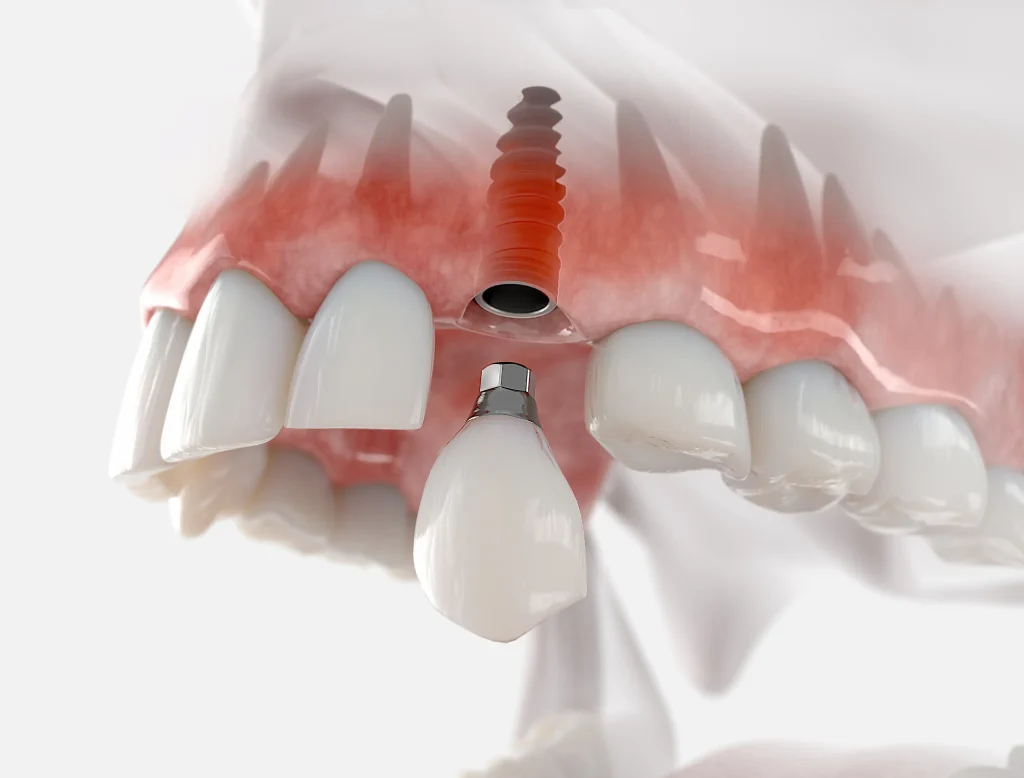
Examples include the placement of porcelain veneers, procedures such as gingivectomy or gingivoplasty for gum aesthetics, tooth reshaping, teeth whitening surgery, dental implants, and bone grafts. Aesthetic dental surgery uses modern technologies and surgical techniques to preserve the natural structure of teeth and gums while achieving both aesthetic and functional improvements.
Aesthetic Dental Treatment Process
- Examination and Planning: The first step begins with a detailed dental examination by the dentist and determining the patient’s aesthetic goals. The condition of the teeth is evaluated, dental structure analysis is performed, and a treatment plan is created.
- Teeth Whitening (Bleaching): This is the initial step to brighten the natural color of the teeth. It is performed using chemical agents or professional whitening systems.
- Tooth Preparation: If veneers or composite restorations are required, minimal preparation is made on the front surfaces of the teeth to ensure suitability for treatment.
- Veneer or Laminate Application: Porcelain veneers or laminates are bonded to the front surfaces of the teeth. These restorations are permanently fixed after being prepared in advance.
- Aesthetic Filling Applications (Bonding): This procedure involves repairing small fractures, cracks, or gaps in teeth using composite materials for an aesthetic improvement.
- Gingivectomy or Gingivoplasty: These are surgical procedures performed to improve gum aesthetics by reshaping or contouring the gums.
- Temporary and Permanent Restorations: In some cases, temporary restorations may be used during treatment. Permanent restorations are placed once the treatment is completed.
- Check-ups and Maintenance: Regular follow-up appointments are scheduled after treatment, and patients are guided on oral hygiene practices to ensure long-term success and satisfaction.
Each patient’s aesthetic dental treatment process is customized according to their individual needs and preferences.
Types of Aesthetic Dental Treatments
- Teeth Whitening (Bleaching): Chemical or professional whitening procedures used to brighten the natural color of teeth.
- Dental Jewelry: Small decorative gems placed on teeth for aesthetic purposes.
- E-Max Veneers: A type of porcelain veneer applied to the front teeth for a natural and aesthetic appearance.
- Aesthetic Dental Bonding: The use of composite material to repair small cracks, fractures, or gaps in teeth.
- Smile Design: A comprehensive dental treatment that enhances the appearance of teeth based on facial structure, dental anatomy, and aesthetic preferences.
- Hollywood Smile: A customized smile makeover that creates whiter, straighter, and more symmetrical teeth.
- Inlay & Onlay Restorations: Laboratory-made aesthetic fillings used to restore decayed teeth.
- Laminate Veneers: Thin porcelain or composite shells bonded to the front surfaces of teeth for aesthetic improvement.
- Pink Aesthetics: Procedures aimed at improving gum appearance and contour.
- Porcelain Crowns: Thin porcelain restorations used for aesthetic tooth coverage.
- Zirconium Crowns: Durable and natural-looking crowns used to enhance the aesthetic appearance of teeth.
Each treatment is individually planned according to the patient’s dental condition, aesthetic expectations, and the dentist’s recommendations.
Our Treatment Processes
The information provided in this section is for preliminary purposes only. Following examinations conducted by our specialist dentists, clear and detailed information regarding diagnosis, treatment options, and the overall process will be shared with you.

3-4
Number of Transactions
6-7 hours
Processing Time

Local
Anesthesia Method

No
Sensitivity Process

Immediately
Return to Work Period

Immediately
Full Recovery Process

5 Years
Permanent Result Duration

No
Side Effects

2-3 Hours Later
Eating and Drinking Process
Health Corner
With our extensive experience in oral and dental health, you can find detailed information and helpful tips on various dental health topics prepared by our specialist dentists.
These contents, where you can find answers to all your questions about dental health, serve as a guide to help you maintain optimal oral and dental hygiene. You can explore expert insights from our dentists on orthodontics, dental implants, teeth whitening, gum diseases, and many more topics.






Frequently Asked Questions
Aesthetic dentistry is a branch of dentistry that focuses on improving the appearance of teeth. By working on factors such as tooth shape, color, size, and alignment, a more aesthetic and natural-looking smile is achieved.
- Tooth shape and size irregularities
- Tooth discoloration
- Closing gaps between teeth
- Crooked or misaligned teeth
- Need for smile design
The main methods used in aesthetic dentistry include:
- Laminate veneer (porcelain veneers)
- Zirconium crowns
- Bonding applications
- Teeth whitening
- Clear aligner treatment
- Hollywood Smile design
Laminate veneer is the application of thin porcelain shells bonded to the front surface of teeth. It provides a natural appearance, requires minimal tooth reduction, and offers long-lasting results.
Zirconium is one of the closest materials to natural tooth appearance. It is durable, compatible with gum tissue, and provides highly aesthetic results.
Hollywood Smile is the redesign of teeth according to the patient’s facial structure. It aims for a whiter, more symmetrical, and aesthetic smile using treatments such as zirconium crowns, laminate veneers, and teeth whitening.
Most aesthetic dental procedures are painless and minimally invasive. Some treatments may be performed under local anesthesia, and recovery is usually quick.
Depending on the method and materials used, aesthetic dental treatments can last for many years. Regular oral care and dental check-ups can extend their lifespan.
Before treatment, a detailed examination and planning should be done with a specialist dentist. The dentist’s experience, as well as the technology and materials used, directly affect the success of the treatment.